
Good golf course website design comes down to one metric: how many green fees and memberships it generates. A beautiful site that doesn’t take bookings is an expensive brochure. A well-built one is your best salesperson, working 24 hours a day in every language your visitors speak.
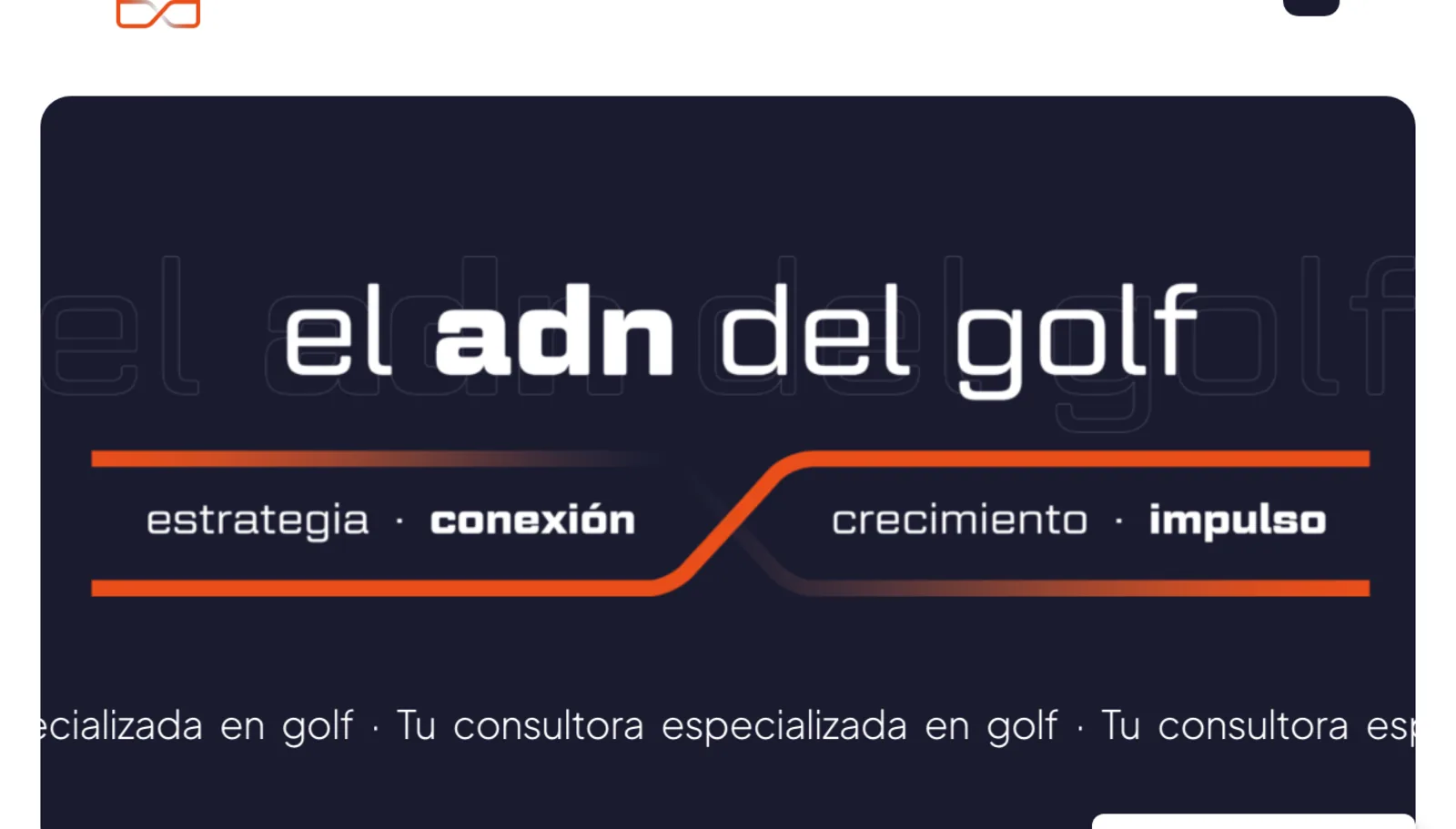
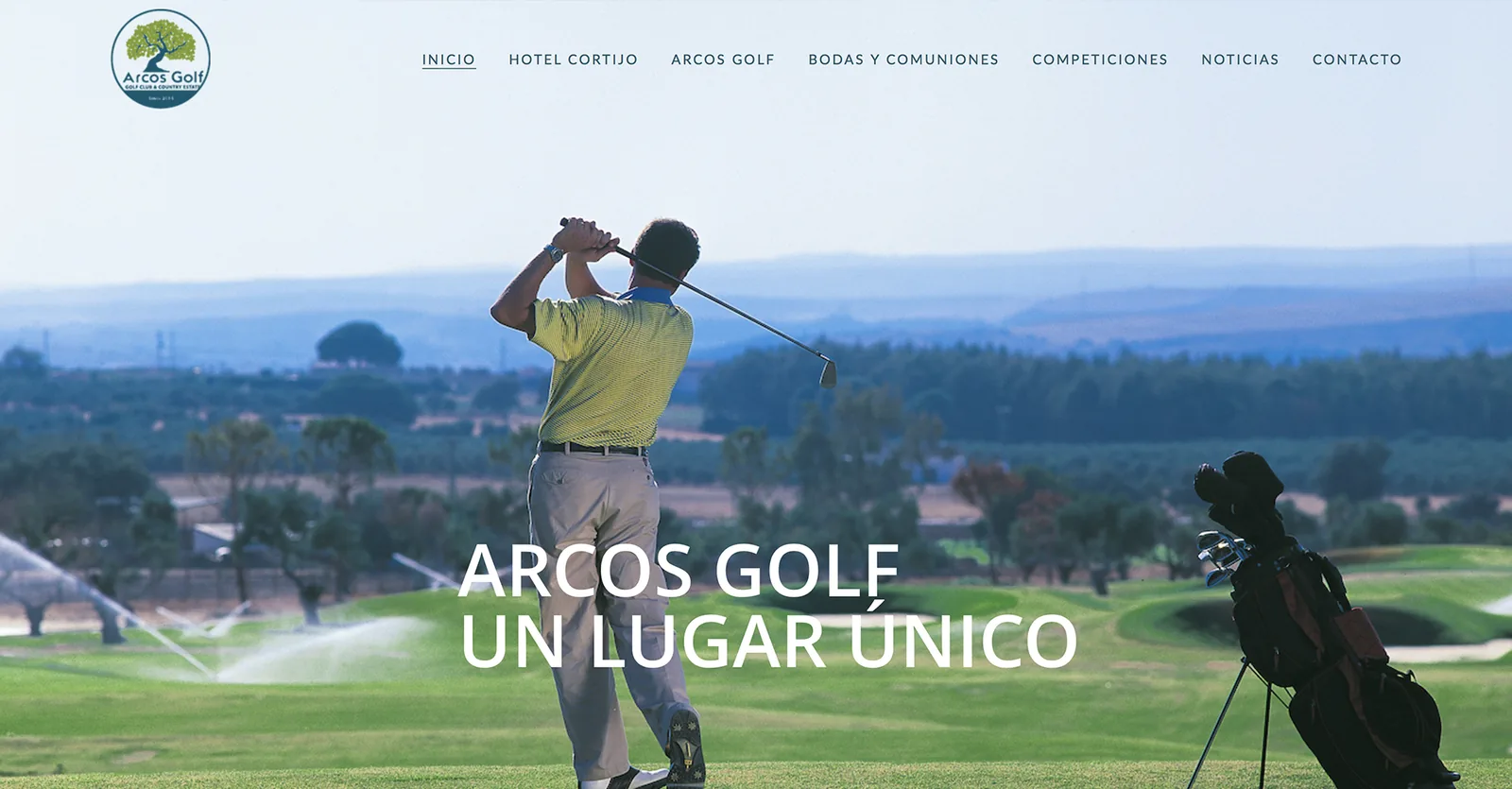
We’ve designed the websites for Codex Golf, Meaztegi, Arcos Golf and Real Novo Sancti Petri. These are the 10 principles we apply to every one of them.
The 10 keys to a golf website that converts
- 1. A booking button on every page: “Book a green fee” visible on every screen, mobile included.
- 2. The course as the star: drone video and a hole-by-hole gallery. Players want to see where they’re going to play.
- 3. Truly multilingual: English and German at the very least on the coast, with professional translation, not machine output.
- 4. Clear pricing: green fee, buggy and membership prices shown on the page, not buried in a PDF.
- 5. Fast loading: golfers book from their phone at the hotel, and every extra second costs you bookings.
- 6. Destination SEO and GEO: rank for “golf in [your area]” on Google and in AI search engines.
- 7. Course and services: scorecard, lessons, restaurant, tournaments and academy, all clearly organised.
- 8. Tee sheet integration: bookings go straight into your system, with no phone calls or emails.
- 9. Player data: every booking feeds your database for email marketing and loyalty.
- 10. Maintenance and security: backups, updates and support. A site that’s down in August is money lost.
Real examples: how we’ve done it
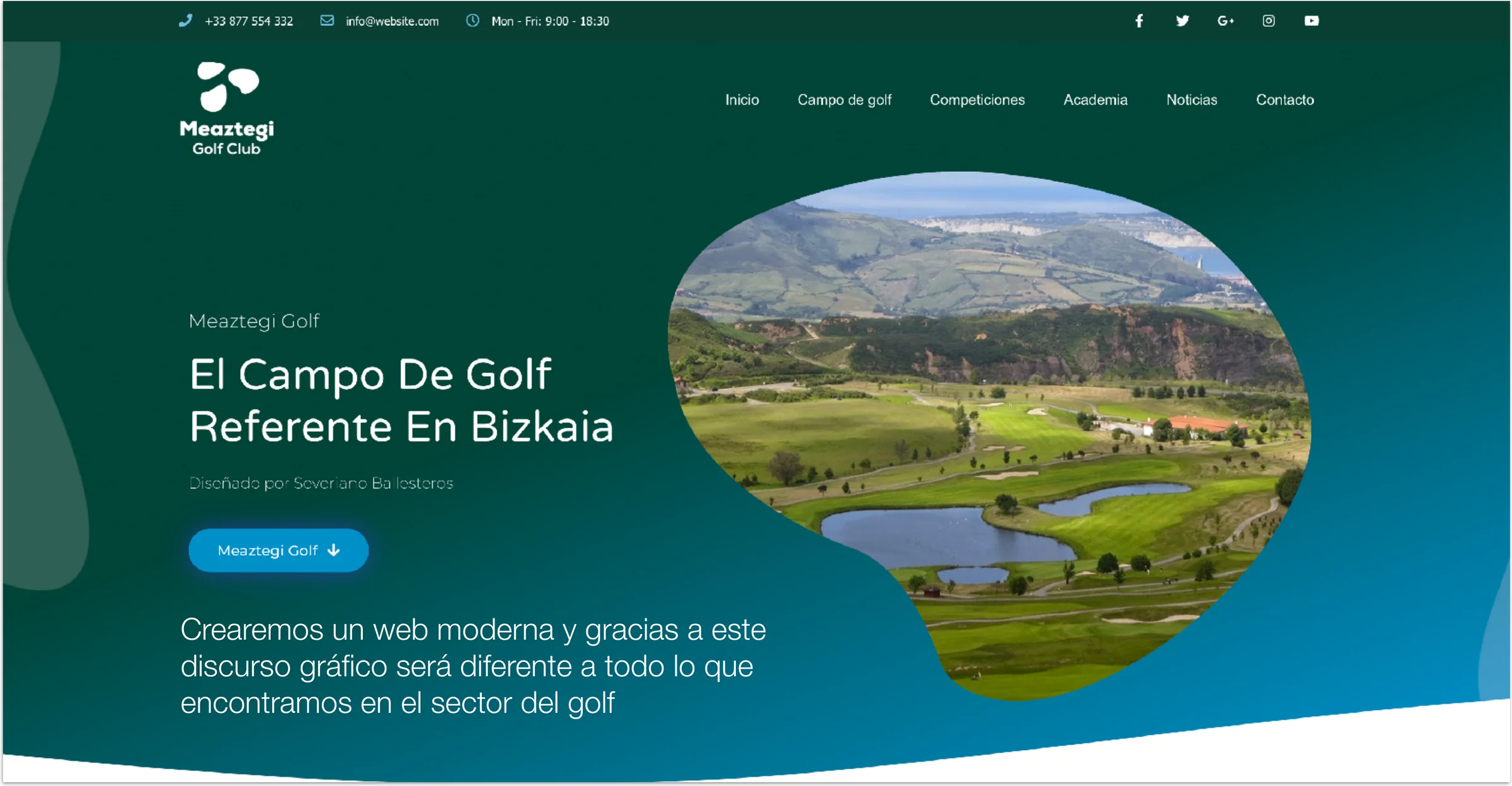
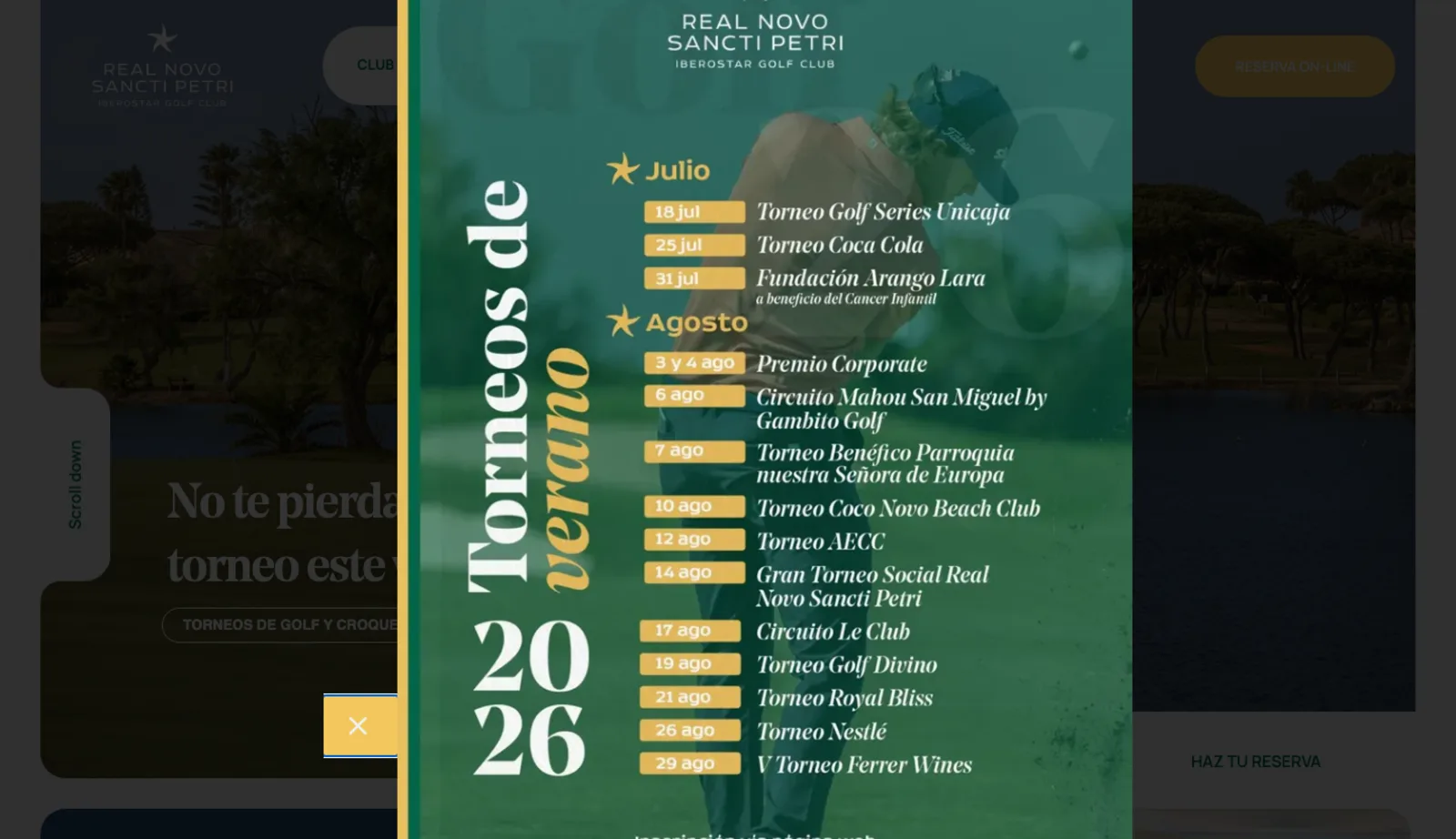
For codexgolf.com we built the digital home of a golf consultancy with a presence in several countries. For Meaztegi Golf, a website designed around the day player in Bizkaia. And for Real Novo Sancti Petri, the platform behind a 174% increase in search clicks. Every project starts from the same web design service, adapted to the club’s business model.
A resort course on the Costa del Sol is not the same as a members’ club with a waiting list, so the website has to reflect the model, not a template. Our golf marketing team knows both worlds.
What we measure after launch
A club website isn’t finished the day it goes live. It’s finished when it proves it can take bookings. Our standard dashboard for a golf course covers green fee bookings by channel and language, rankings for destination searches, real-world mobile speed and funnel behaviour: how many people see your rates, how many start a booking and where they drop off.
With that data, the site improves every quarter: visible prices are adjusted, the languages that convert are strengthened, and barriers are spotted (a long form, a payment gateway that fails in a particular source market). That’s the difference between having a website and having a sales channel: the first is designed once, the second is optimised continuously. Courses that understand this end up selling most of their green fees direct, with no middlemen.
Frequently asked questions about golf course website design
How much does a golf course website cost?
A professional club website with integrated booking typically runs between €3,000 and €12,000, depending on languages, integrations (tee sheet, payment gateway) and the amount of content. The return is measured in direct green fees.
What integrations does it need?
A booking engine or tee sheet, a payment gateway, a course map, optional weather data, and properly configured analytics so you know which channel brings in each booking.
Which languages should a golf course website be in?
English and Spanish as a base, plus German, French or Swedish depending on the visitor profile in your area. Websites on the Costa del Sol and the Costa de la Luz clearly perform better with 3 or 4 languages.
How often should a golf website be redesigned?
The design lasts 4-6 years, but the content doesn’t: rates, tournaments, photos and news need updating all year round. That’s why we include maintenance in all our projects.
If your club needs a website that really sells green fees, show us your current one and we’ll tell you what it’s leaving on the table: let’s talk.