

Product photography is the silent salesperson of your online shop: customers can’t touch, smell or try anything on, so they buy what they see. A good image answers questions; a bad one creates doubts. And doubts don’t buy.
We shoot products for brands such as Ofelia T (jewellery) and Losteflor (preserved flowers) as part of our audiovisual service. These are the 5 keys that separate a photo that sells from a photo that just takes up space.
The 5 keys to product photography that sells
- 1. Controlled lighting: the professional difference lies in how light defines texture and volume. Jewellery calls for precise highlights; textiles, softness; food, freshness.
- 2. A consistent catalogue: same background, same scale and same treatment across the whole shop. Consistency signals a brand; a mismatched catalogue looks like a flea market.
- 3. The three shots every product needs: a clean photo on a neutral background (the product page), a detail of texture or finish (the quality) and a context or lifestyle shot (the desire).
- 4. Designed for each channel: square for the product page, vertical for reels and stories, horizontal for banners. You plan it at the shoot; you don’t crop it afterwards.
- 5. Optimised for the web: exported as WebP, lightweight, with descriptive file names and alt text. The best photo in the world won’t sell if the product page takes five seconds to load.
Still life, lifestyle or 360: what your shop needs
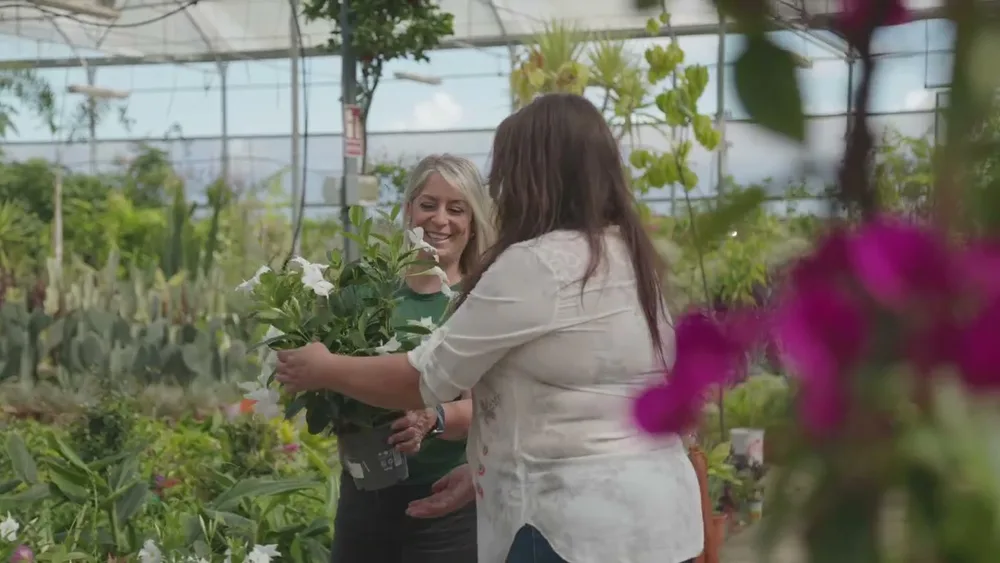
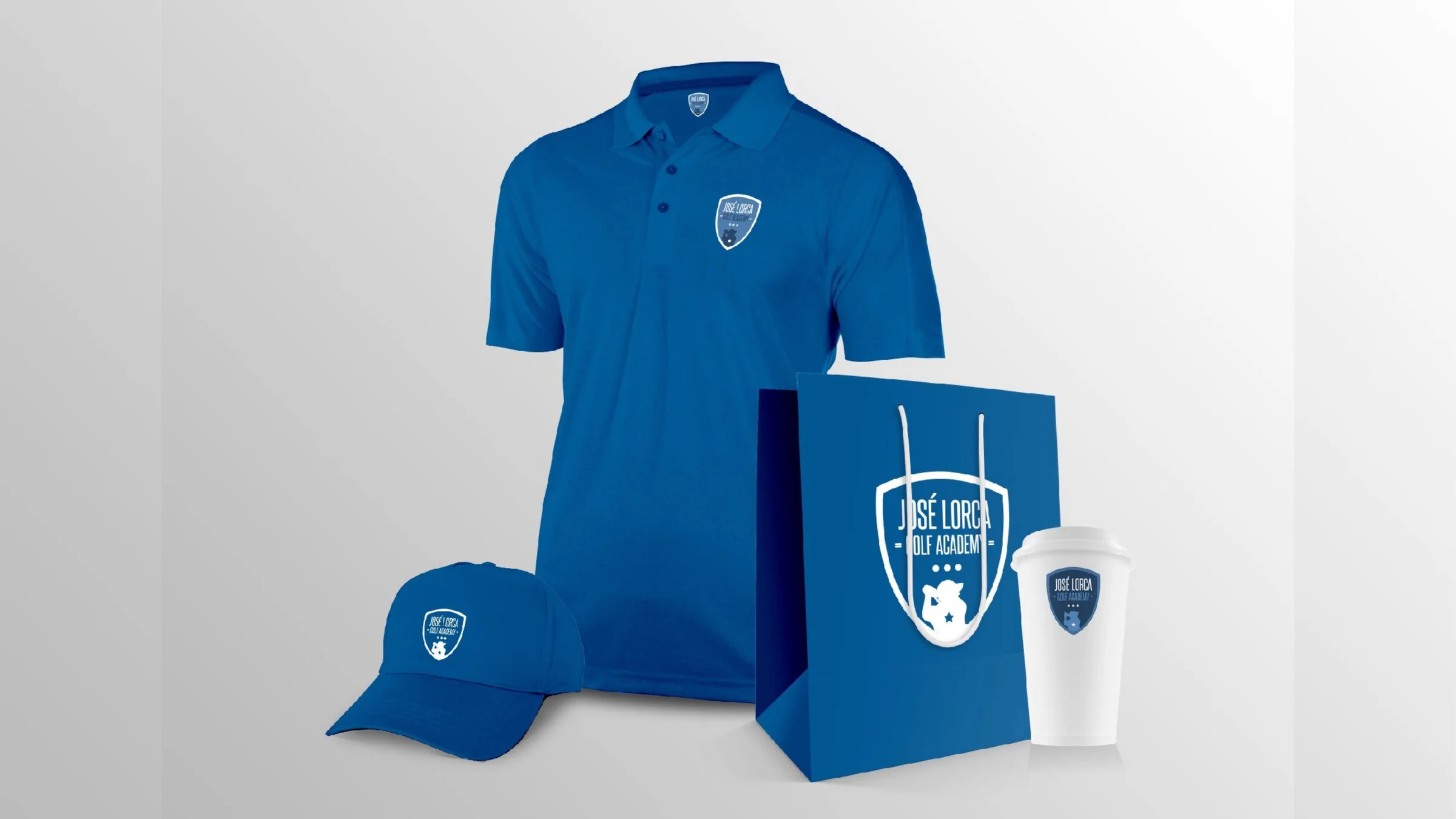
The classic still life (product on a clean background) is non-negotiable: it’s what your product page requires and what marketplaces such as Amazon demand. Lifestyle is what sets you apart: the jewellery being worn, the flowers in a real living room, the polo shirt on the golf course. And 360° views or short product videos boost conversion for products where detail matters.
For Ofelia T we combine precision still lifes with lifestyle shoots that also feed its social media: a single shoot produces product pages, banners and a month of content. That’s the cost-effective way to do it: one production, many uses.
Product photos do SEO work too
Every image in your shop is a way in from Google Images and from visual search (Google Lens grows every year). To make the most of it: use a descriptive file name before uploading, write alt text that describes the actual product, use WebP at a controlled file size, and add product structured data that links the image to price and availability.
There’s also a new effect: AI assistants with vision capabilities already describe and compare products based on their photos. A sharp, well-lit image that matches its written description is material these systems understand and recommend more easily. Product photography no longer just persuades people: it also informs the machines that advise those people. Looking after it means looking after both audiences at once.
Product photography FAQ
How much does a product photography session cost?
From €300–600 for a still-life session for a small catalogue, up to €1,500–3,000 for productions with models, location and art direction. The price per photo drops sharply as volume increases.
How many photos does each product need?
At least three: a main shot on a neutral background, a detail shot and a context shot. Complex products (fashion, footwear, furniture) benefit from 5–8 views, and short video increases conversion.
White background or styled?
Both: neutral backgrounds for the product page and marketplaces, and styled photos for the homepage, categories and social media. What matters is that the whole set is consistent with your brand.
Are photos taken with a phone good enough?
For stories and spontaneous content, yes; for the product page, rarely. Professional lighting, optics and editing are the difference between looking like a brand and looking like a private seller.
If your products deserve better photos than they have now, let’s run a test: a pilot session, and you compare the sales results. Write to us via the contact page.